

Hayat Home Medical Equipment | Chicago and Surrounding Areas
Every September 17, World Patient Safety Day reminds patients, caregivers, and healthcare professionals that patient safety doesn’t end when someone leaves the hospital, rehabilitation center, or doctor’s office.
The World Health Organization’s 2026 theme, “Safe care for noncommunicable diseases,” is especially relevant for people managing chronic conditions at home. For patients throughout Chicago and surrounding areas, safe care can mean many things: using CPAP correctly, following home oxygen precautions, preventing falls, choosing appropriate mobility equipment, and making bedrooms and bathrooms safer.
As the Chicago area’s leading provider of home medical equipment, Hayat Home Medical Equipment believes patient safety should continue wherever the patient lives, not stop at the hospital door.
Patient Safety Begins at Home
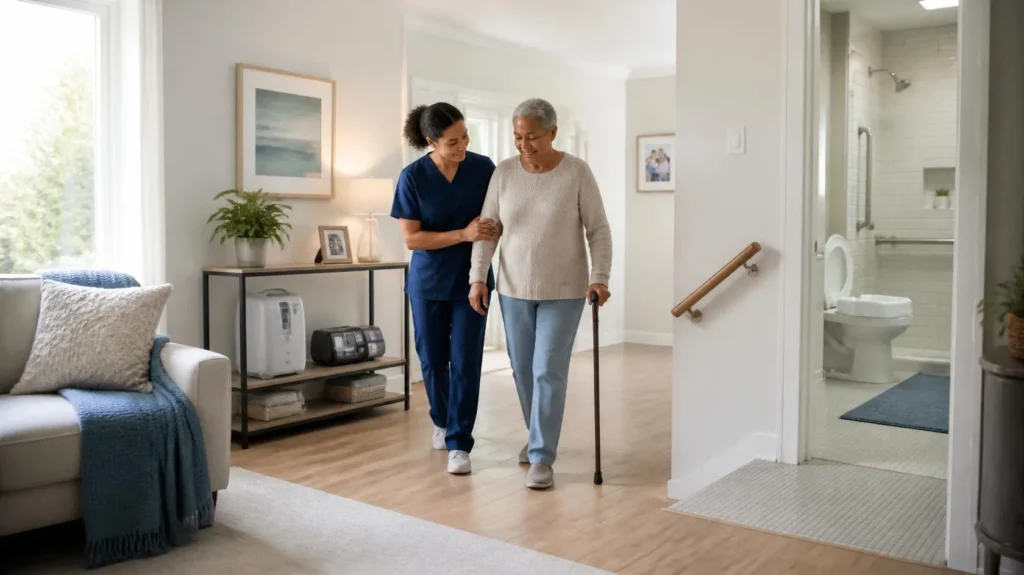
More healthcare is taking place at home than ever before. A patient may use a CPAP or APAP machine every night, depend on supplemental oxygen, use a walker to move around the house, or need assistance getting safely in and out of a shower.
For an older adult, someone recovering after hospitalization, or a person experiencing changes in mobility, seemingly small hazards can become real safety concerns. Preventing an accident before it happens is a core part of patient safety.
Fall Prevention Starts With the Patient’s Environment
Falls are an important concern, especially for older adults and people with limited strength, balance, or mobility. Keeping frequently used pathways clear, improving lighting, and using the right mobility or daily-living equipment, from walkers and rollators to bedside commodes and positioning equipment, can meaningfully reduce that risk.
For a deeper look at fall statistics, prevention strategies, and mobility equipment built specifically for older adults, see our Healthy Aging Month guide.
Patients experiencing weakness, balance problems, difficulty walking, or previous falls should discuss their needs with a physician, physical therapist, or occupational therapist.
Don’t Overlook Bathroom Safety
The bathroom deserves special attention when evaluating home safety. Wet surfaces combined with limited mobility can create added challenges. Getting into a bathtub, stepping out of a shower, or standing up from a toilet can become difficult for someone experiencing weakness or balance problems.
Depending on the patient’s needs, bathroom safety equipment may include shower chairs, transfer benches, raised toilet seats, bedside commodes, grab bars, and other bathroom safety and daily-living aids.
Don’t wait for a fall before thinking about fall prevention. If an aging parent or loved one’s mobility is beginning to change, it may be time to look at the home environment and talk with their healthcare professional.
CPAP Safety Means Using Your Therapy Properly
For patients with obstructive sleep apnea, receiving a CPAP or APAP machine is only the beginning. The equipment needs to be used consistently and according to the patient’s prescription.
If your mask leaks, feels uncomfortable, or causes dryness or irritation, don’t simply stop using your CPAP. Sometimes a different mask style, better fit, or a replacement cushion can make therapy far more comfortable, as can fresh supplies or a change in humidification settings.
Patients should follow manufacturer instructions for cleaning and maintaining their equipment and speak with their sleep-care team when they experience persistent problems. CPAP compliance isn’t simply about meeting an insurance requirement. It’s about consistently treating your sleep apnea.
Home Oxygen Safety Requires Extra Attention
For patients using supplemental oxygen, safety precautions are extremely important.
Oxygen itself does not burn, but an oxygen-enriched environment can make fires ignite more easily and burn more intensely. Never smoke or allow smoking around oxygen equipment. Keep oxygen away from flames and potential ignition sources, and never change a prescribed oxygen flow rate without instructions from your healthcare provider.
Oxygen tubing should also be considered when evaluating fall risk, since tubing running through frequently traveled areas can become a tripping hazard.
Patients who depend on respiratory equipment should understand what to do if equipment stops working or the home loses electrical power. With Chicago’s fall and winter weather approaching, having an emergency plan before severe weather arrives is an important part of home medical safety.
Visit Our Showroom or Shop Hayat Online
At Hayat Home Medical Equipment, our retail showroom gives patients and caregivers throughout Chicago and surrounding areas a chance to see a wide range of home medical equipment and daily-living products in person, from mobility aids and bathroom safety equipment to CPAP and respiratory products.
Can’t make it in? Browse the same products through the Hayat Online Store, where you can shop from home for equipment designed to support mobility, bathroom safety, patient comfort, respiratory care, and greater independence.
Whether you’re helping an aging parent, preparing a home for someone returning from rehabilitation, or simply looking to make everyday living safer, Hayat gives you the choice to visit in person or shop online, backed by a team that’s been trusted throughout Chicagoland for exactly this kind of guidance.
For products related to an individual’s medical condition, mobility limitations, or fall risk, patients should consult their physician, physical therapist, occupational therapist, or other qualified healthcare professional to determine what equipment is appropriate.
Make Home Safety Part of Everyday Healthcare
World Patient Safety Day is a good reminder to take a few minutes and look at your home, or the home of someone you care for, from a patient-safety perspective. Walk through the bedroom. Look at the bathroom. Check the hallways and stairs for loose rugs, poor lighting, or clutter. Review your CPAP, oxygen, and other medical equipment. Think about whether someone’s mobility or balance has changed recently.
Patient safety isn’t one product or one piece of equipment. It’s an ongoing effort involving patients, caregivers, physicians, therapists, respiratory professionals, and home medical equipment providers working together. Most importantly, don’t wait for an accident to start thinking about prevention.
Questions About Home Safety Equipment? We’re Here to Help
As Chicago’s trusted leader in home medical equipment, Hayat Home Medical Equipment has helped thousands of local patients and families find the right mobility, respiratory, and bathroom safety solutions for their exact needs. If you’re not sure where to start, contact our team for a personal recommendation, no pressure, just genuine guidance from people who know this equipment inside and out.
Hayat Home Medical Equipment: helping Chicago and surrounding communities stay safer at home, one patient at a time.
Medical Disclaimer: This article is for general educational purposes only and is not medical advice. Individual respiratory, mobility, fall-prevention, and home medical equipment needs vary. Patients should consult their physician, physical therapist, occupational therapist, or other qualified healthcare professional regarding appropriate equipment and changes to their care. Always follow prescriptions and manufacturer instructions for medical equipment.