

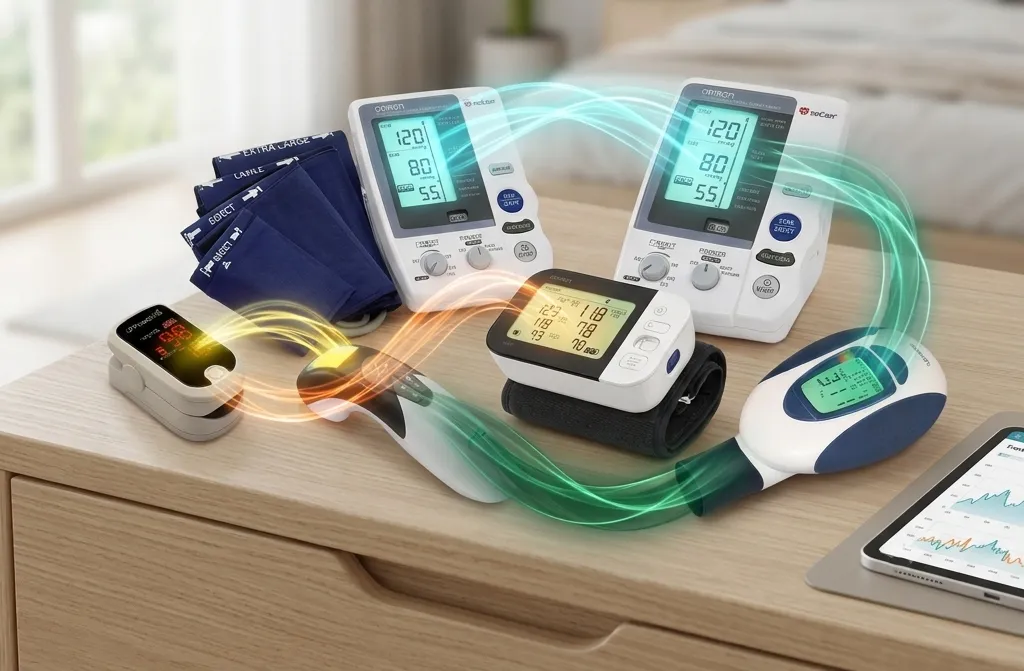
Managing a chronic health condition doesn’t stop when you leave your doctor’s office. Many important healthcare decisions begin at home, through regular monitoring and early recognition of changes in your condition.
Whether you’re living with COPD, diabetes, sleep apnea, heart disease, hypertension, or another chronic illness, having the right home diagnostic equipment can help you stay informed, support your physician’s treatment plan, and identify potential concerns before they become medical emergencies.
At Hayat Home Medical Equipment (HHME), we believe that giving patients reliable home monitoring tools leads to better health outcomes, greater independence, and real peace of mind.
Why Home Monitoring Matters
Regular monitoring lets you track trends, recognize changes early, and share valuable information with your physician. It supports medication management, helps reduce unnecessary hospital visits, and turns you into a more active partner in your own healthcare rather than someone waiting for the next appointment to find out how things are going.
Diabetes: Stay on Top of Your Glucose Levels
For patients using a Continuous Glucose Monitor (CGM), replacing sensors on schedule is essential for uninterrupted, accurate glucose monitoring. Regular monitoring helps detect high and low blood sugar levels and gives your healthcare provider a fuller picture between visits, not just a single reading on appointment day.
COPD and Respiratory Disease
A pulse oximeter lets patients with COPD and other respiratory diseases monitor oxygen saturation at home, without waiting for a clinic visit to know how they’re doing. If you notice worsening symptoms or lower-than-usual oxygen readings, contact your physician promptly rather than waiting to see if it passes.
Sleep Apnea
Patients using CPAP therapy should keep following their physician’s treatment plan while monitoring blood pressure, weight, oxygen levels when recommended, and blood glucose if diabetic. Sleep apnea rarely exists in isolation, so tracking these alongside your CPAP therapy gives your sleep specialist a much clearer view of how treatment is actually working.
Blood Pressure Monitoring
High blood pressure is often called the silent killer because it usually shows no symptoms until it’s already causing damage. Regular home blood pressure monitoring helps detect hypertension early, evaluate how well medications are working, and catch concerning trends before they turn into a bigger problem.
EKG Monitoring
Portable EKG monitoring devices can help some patients track heart rhythm changes at home and provide useful, real-world information to share with their healthcare provider between checkups.
Build Your Home Health Toolkit
- Blood pressure monitors
- Pulse oximeters
- Continuous Glucose Monitoring (CGM) supplies and sensors
- Digital thermometers
- Portable EKG monitoring devices
- Weight scales
- Other physician-recommended diagnostic equipment
Visit Our Online Store Today
Managing your health starts with having the right tools at home. Visit our online store to shop diagnostic equipment and home monitoring products for diabetes, COPD, sleep apnea, hypertension, and other chronic conditions.
Partner with Your Healthcare Provider
Home diagnostic equipment complements, but does not replace, the care you receive from your physician. Always follow your healthcare provider’s recommendations and report abnormal readings or worsening symptoms promptly.
Not sure which monitoring tools fit your condition? Patients throughout Evergreen Park and the greater Chicago area rely on our team to help them choose the right equipment for their needs. Contact us today for personalized guidance.
Disclaimer: This article is intended for educational purposes only and should not be considered medical advice. Always consult your physician or another qualified healthcare provider regarding your medical condition, recommended monitoring devices, or changes in your health.
Frequently Asked Questions About Home Diagnostic Equipment
Does insurance cover home diagnostic equipment like blood pressure monitors or pulse oximeters?
Coverage varies by device and payer. CGMs and certain diagnostic tools are often covered by Medicare or private insurance when prescribed as medically necessary, while basic devices like standard blood pressure cuffs or thermometers are usually cash-and-carry items. Our team can help you understand what applies to your specific equipment and plan.
How often should I replace or calibrate my home diagnostic devices?
This depends on the device. CGM sensors are typically replaced every 10 to 14 days per manufacturer instructions, while blood pressure monitors and pulse oximeters generally don’t require regular replacement but should be checked periodically against a clinical reading for accuracy. Ask our team about the specific replacement or calibration schedule for your equipment.
What readings should prompt me to call my doctor instead of just noting them in a log?
General guidance includes an oxygen saturation reading below 90 percent, a blood pressure reading above 180/120, or blood glucose levels significantly outside your target range. Your physician can give you personalized thresholds based on your specific condition and treatment plan.
Can I use multiple diagnostic devices together, like a CGM and a blood pressure monitor, without them interfering with each other?
Yes, most home diagnostic devices operate independently and don’t interfere with one another, even when used at the same time. Many patients managing multiple chronic conditions use several devices as part of a coordinated home monitoring routine.
Do I need training to use diagnostic equipment like a portable EKG monitor correctly?
Most devices are designed for straightforward home use, but proper technique matters for accurate results. Our team provides hands-on education when you purchase equipment through us, so you feel confident using it correctly from day one.