

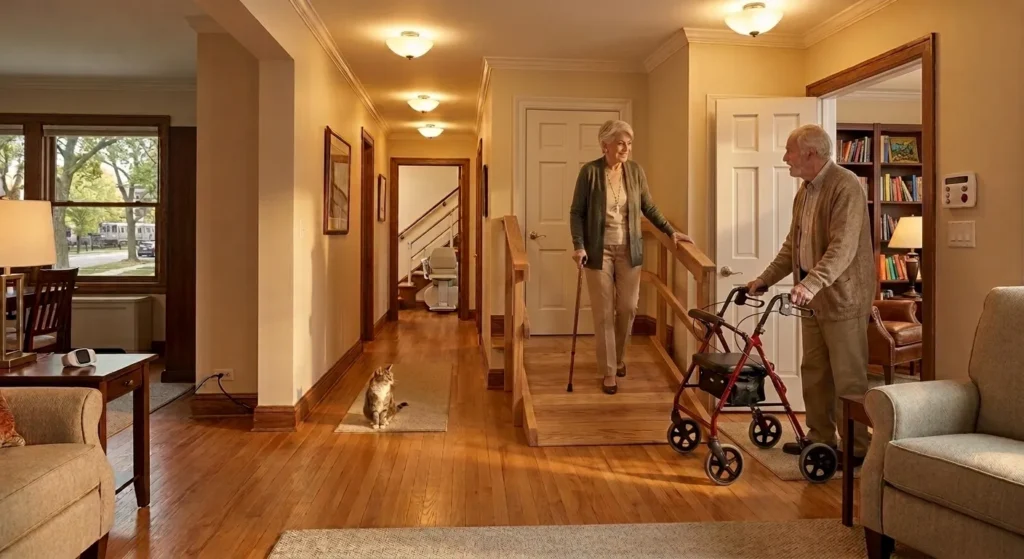
September is Healthy Aging Month, a national observance dedicated to encouraging older adults to take charge of their health and well-being. Healthy aging isn’t simply about living longer. It’s about maintaining your independence, reducing health risks, and continuing to enjoy the people and activities you love.
As Chicagoland’s trusted leader in home mobility equipment, Hayat Home Medical Equipment (HHME) and Hayat Access believe that growing older should never mean giving up your independence. Whether you’re planning ahead for yourself or helping care for a loved one, having the right support, education, and medical equipment can make all the difference in living safely and confidently.
Healthy Aging Starts with Prevention
Aging is a natural part of life, but many age-related health challenges can be prevented or minimized through proactive care.
- Stay physically active
- Eat a balanced, nutritious diet
- Manage chronic medical conditions
- Take medications as prescribed
- Maintain social connections
- Schedule regular visits with your healthcare provider
- Have routine vision and hearing examinations
- Create a safe home environment
Why Being Proactive Matters
Research consistently shows that older adults who take a proactive approach to their health are more likely to remain active, avoid injuries, and enjoy a higher quality of life.
- One in four adults age 65 and older experiences a fall every year.
- Falls affect more than 14 million older Americans annually.
- Falls result in more than 3 million emergency department visits each year.
- More than 1 million older adults are hospitalized annually because of fall-related injuries.
- Approximately 41,000 older adults die each year from fall-related injuries.
The National Institute on Aging recommends regular physical activity, balance and strength exercises, medication reviews, vision and hearing screenings, and using appropriate mobility equipment when recommended by your healthcare provider to significantly reduce the risk of falls.
Small Steps Today Can Prevent Serious Injuries Tomorrow
- Better balance and stability
- Improved mobility
- Greater confidence walking
- Reduced risk of falls and fractures
- Better management of chronic conditions
- Fewer hospitalizations
- Greater independence with everyday activities
- Improved overall quality of life
Falls Are One of the Greatest Risks for Older Adults
Many falls can be prevented by making homes safer and using the appropriate mobility and support equipment.
- Remove loose rugs and clutter.
- Improve lighting throughout the home.
- Install grab bars in bathrooms.
- Use handrails on stairways.
- Wear supportive, non-slip footwear.
- Stay physically active to improve strength and balance.
- Review medications with your physician or pharmacist.
- Have routine vision and hearing exams.
- Discuss mobility concerns with your healthcare provider before a fall occurs.
Fall prevention is just one part of the bigger safety picture. For a broader look at home safety, including CPAP and oxygen equipment safety, see our World Patient Safety Day guide.
Mobility Equipment Helps Preserve Independence
Using mobility equipment is often what helps preserve independence by allowing individuals to move safely and confidently.
- Mobility Walkers
- Rollators
- Walking Canes
- Wheelchairs
- Lift Chairs
- Bathroom safety equipment
- Shower aids
- Raised toilet seats
- Bed Safety Rails & Assist Bars
Supporting Caregivers
The right equipment can make caregiving safer and easier while reducing the risk of injury for both caregivers and loved ones.
How Hayat Home Medical Equipment and Hayat Access Can Help
As the area’s leading provider of mobility and durable medical equipment, our knowledgeable team provides personalized guidance to help individuals throughout Evergreen Park and neighboring Chicagoland communities remain safe, active, and independent.
Shop Online Today!
Whether you’re looking for a walker, rollator, lift chair, wheelchair, bathroom safety equipment, or other mobility solutions, we have products designed to help minimize the risk of falls and improve quality of life. Browse our full range of mobility and durable medical equipment today.
Healthy Aging Is a Journey, You Don’t Have to Do It Alone
By staying active, managing chronic conditions, working closely with your healthcare provider, and creating a safer home environment, you can continue enjoying the independence you value. Hayat Home Medical Equipment and Hayat Access are honored to support you and your loved ones every step of the way.
Not sure which mobility equipment is right for you or a loved one? Contact our team today for a personalized recommendation.
Disclaimer: This article is intended for educational purposes only and should not replace professional medical advice. Always consult your physician or another qualified healthcare provider regarding concerns about balance, falls, mobility, chronic medical conditions, or the selection of mobility equipment.
Frequently Asked Questions
Does Medicare or insurance cover mobility equipment like walkers, wheelchairs, or lift chairs?
Medicare Part B and many private insurance plans cover a portion of the cost for walkers, rollators, wheelchairs, and certain lift chair mechanisms when they’re prescribed as medically necessary by a physician. Coverage details and required documentation vary, so our team can help verify your specific benefits before you purchase.
How do I know if I need a cane, a walker, or a rollator?
The right choice depends on your level of balance, strength, and the amount of support you need. Canes offer light support for those with mild balance concerns, walkers provide more stability for those at higher fall risk, and rollators add wheels and a seat for people who need to move steadily over longer distances and want to rest along the way. Your physician or physical therapist can help determine the best fit.
What’s the difference between a transport chair and a standard wheelchair?
Transport chairs are lighter and designed to be pushed by a caregiver, making them ideal for occasional outings, while standard manual wheelchairs are typically built for a user to self-propel and for more regular, daily use. The right option depends on the level of independence and mobility of the person using it.
Can I try mobility equipment before purchasing it?
Yes, visiting our showroom lets you test different walkers, rollators, wheelchairs, and lift chairs in person so you can find the right fit, weight, and features for your needs before committing to a purchase.
How often should home safety equipment like grab bars or bed rails be reassessed as a person ages?
Home safety needs often change gradually, so it’s worth reassessing your setup at least once a year or after any fall, hospitalization, or noticeable change in mobility or balance. A physical therapist or occupational therapist can conduct a home safety evaluation if you’re unsure what to prioritize.