

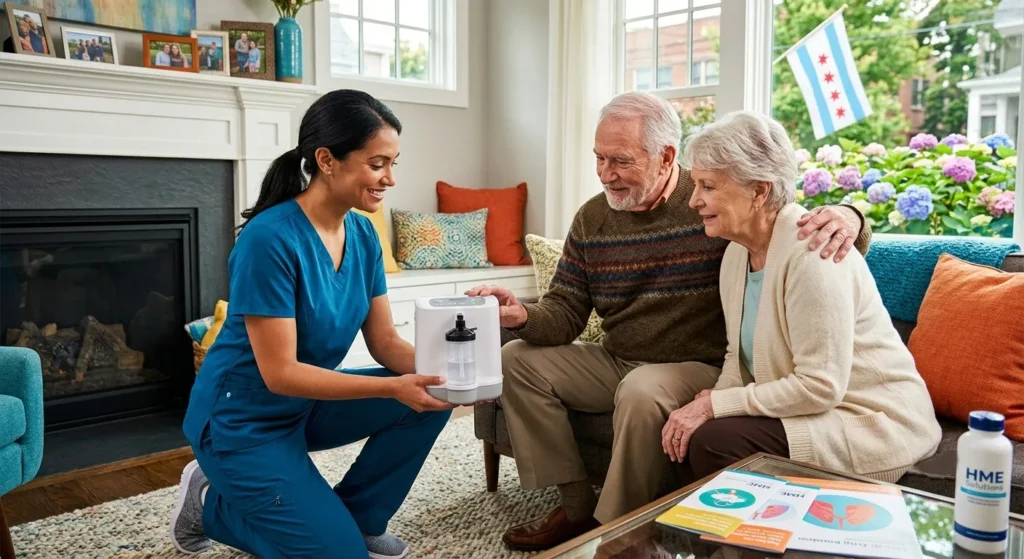
Observed every August 1st, World Lung Cancer Day is a reminder that awareness and early action save lives. Below, Hayat Home Medical Equipment (HHME) shares the warning signs to watch for, how early detection works, and how our Chicagoland respiratory care team supports patients and families through treatment.
Know the Lung Cancer Warning Signs
Lung cancer often develops with few or no symptoms in its early stages, which is why understanding subtle changes in your health matters. Contact your primary care physician promptly if you notice:
- A persistent cough that doesn’t go away or gets worse
- Coughing up blood
- Chest pain that worsens with deep breathing, coughing, or laughing
- Shortness of breath
- Wheezing
- Hoarseness
- Frequent bronchitis or pneumonia
- Unexplained weight loss
- Fatigue or weakness
- Loss of appetite
These symptoms don’t automatically mean you have lung cancer, but they should never be ignored. If any of these apply to you, schedule an appointment with your healthcare provider right away.
Early Detection Can Save Lives
If you’re at higher risk for lung cancer, talk with your physician about screening options. Risk factors include current or former smoking, significant secondhand smoke exposure, exposure to radon, asbestos, or other occupational hazards, and a family history of lung cancer.
Common diagnostic and screening tools include:
- Low-Dose CT (LDCT) Scan: the recommended screening test for people at high risk
- Chest X-ray: sometimes used during evaluation, though not the preferred screening test
- CT Scan: provides detailed imaging of the lungs
- PET Scan: helps determine whether cancer has spread
- Bronchoscopy or Biopsy: allows physicians to collect tissue samples for diagnosis
Never delay seeking medical care if you have persistent respiratory symptoms or concerns about your lung health.
Living with Oxygen Therapy or CPAP During Treatment
Some patients undergoing lung cancer treatment require supplemental oxygen. Others may already rely on CPAP therapy for obstructive sleep apnea, and treatment can affect how well that therapy works.
A few guiding principles:
- Follow your physician’s prescribed therapy exactly as directed
- Practice oxygen safety at all times, keeping tanks and concentrators away from open flame, heat sources, and smoking materials
- Keep equipment clean and well maintained
- Contact your physician if breathing worsens or oxygen saturation declines
- Continue CPAP unless your physician advises otherwise, and let your provider know if treatment is affecting your sleep or breathing
This is exactly where Hayat’s respiratory therapy team steps in. Not to replace your physician’s guidance, but to make sure the equipment supporting that guidance never becomes a source of confusion or stress.
Supporting a Loved One Through Diagnosis and Treatment
Caregivers play an essential role in a patient’s respiratory health journey. Ways to help include:
- Attending medical appointments together
- Encouraging adherence to the physician’s treatment plan
- Helping monitor symptoms and communicating changes to the care team
- Assisting with oxygen equipment and supplies
- Providing emotional support
- Caring for your own well-being as a caregiver, since caregiver burnout is real and support resources exist for you too
Respiratory Support You Can Trust in Evergreen Park, Chicago, and Beyond
For more than two decades, Hayat Home Medical Equipment has served patients across Evergreen Park, Chicago, and Cook & DuPage Counties with insurance-covered CPAP supplies, oxygen equipment, and home respiratory care. Our experienced Respiratory Therapists:
- Educate patients and caregivers on the safe, correct use of oxygen therapy and CPAP equipment
- Verify equipment is fitted, calibrated, and functioning properly
- Answer questions about masks, tubing, concentrators, tanks, and supply schedules
- Provide compassionate, ongoing support throughout treatment
Our team complements your physician’s or oncology team’s plan of care. We never replace it. Our role is to make sure the equipment side of your treatment is one less thing you have to worry about.
Help Make a Difference
World Lung Cancer Day is also an opportunity to support organizations advancing lung cancer research and patient care. Consider supporting the LUNGevity Foundation, a leading nonprofit dedicated to lung cancer research and patient support.
Trusted Respiratory Care Specialists in Chicago Are Always There for You!
If you notice persistent respiratory symptoms or have concerns about your lung health, contact your primary care physician or healthcare provider without delay. If your physician prescribes oxygen therapy, CPAP, or other respiratory equipment, Hayat Home Medical Equipment is here to provide expert education, personalized service, and compassionate support every step of the way.
Speak with our respiratory care specialists today, we’re ready to help you or your loved one navigate treatment with confidence.
Hayat Home Medical Equipment
- Online Support: Use our Contact Form
- Showroom: 3518 W 95th St, Evergreen Park, IL 60805
- Phone: (708) 422-2300
- Fax: (708) 422-5966
- Email: info@hhme.com
- Hours: Mon–Fri: 9 AM–5 PM | Sat: 10 AM–2 PM
Disclaimer: This article is intended for educational purposes only and should not be considered medical advice. Always consult your physician or another qualified healthcare provider regarding any symptoms, medical concerns, or treatment decisions.
Frequently Asked Questions
Does insurance cover home oxygen equipment during cancer treatment?
Most Medicare and private insurance plans cover home oxygen equipment when it’s medically necessary and prescribed by a physician, though documentation requirements, such as oxygen saturation testing, vary by payer. Hayat’s team can help verify your specific coverage and handle the paperwork directly with your insurer.
Can I keep using my CPAP machine while receiving cancer treatment?
In most cases, yes. Treatment doesn’t automatically mean stopping CPAP therapy. However, some treatments or medications can affect breathing patterns or sleep quality, so it’s important to keep your physician informed of any changes and follow their specific guidance.
How quickly can home oxygen or CPAP equipment be set up after a new prescription?
Turnaround time depends on insurance authorization and equipment availability, but Hayat prioritizes urgent respiratory needs and can often coordinate delivery and in-home setup within a short window of receiving a valid prescription. Ask our team about expedited options if you’re facing a time-sensitive need.
What’s the difference between a portable oxygen concentrator and an oxygen tank for someone in treatment?
Portable concentrators offer more mobility and don’t require refills, making them convenient for patients who remain active during treatment. Tanks provide a fixed, reliable oxygen supply that some patients prefer for consistency. Your respiratory therapist can help you weigh the tradeoffs based on your prescribed flow rate and lifestyle.
Who do I contact if my equipment isn’t working properly outside of business hours?
Reach out to your physician immediately if you’re experiencing worsening symptoms or a medical emergency. For equipment troubleshooting, Hayat’s team can walk you through common fixes and arrange prompt service or replacement during business hours.